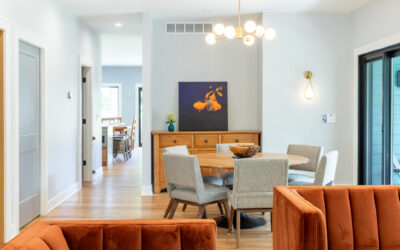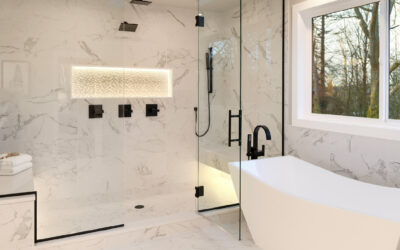
The space in your home can start to feel tight. The kitchen might become a bottleneck during the morning rush to get out the door, or that single bathroom is no longer working in a house full of people. When limitations in the home you love start to impact your daily routine, it’s time to think about an addition.
What matters is not just adding more square footage, but choosing space that improves how your home works. These are the additions that improve your daily routine while also adding to your home’s potential value on the resale market.
Planning home improvements with future resale in mind can help you make the best investment for your budget, because the best ROI home additions in 2026 are not always the biggest.
Thinking about expanding your space? Talk with the MBK team in Ann Arbor about how to plan a home addition that fits into your long-term goals.
What Determines If a Home Addition Adds Resale Value?
Before you decide what to build, you’ll want to think about what actually creates value in a home addition.
Functional vs. Raw Square Footage
Adding square footage does not automatically increase a home’s value in a meaningful way. Buyers are going to respond more to how a space works than how much of it there is.
A small, well-designed addition that improves how rooms connect can carry more value than a larger space that feels awkward and out of place. The same principle applies to lower-level additions. A finished basement with a comfortable ceiling height, proper lighting, and a clear purpose will beat out a large space that’s only good for storage.
How Buyers in Ann Arbor Evaluate Space
Many homes in Ann Arbor were built decades ago. Colonials, ranches, and bungalows often have layouts that reflect how people used to live, not how they live today. Buyers on today’s market are going to look for
- More than one bathroom.
- Connected or open main living areas.
- Flexible spaces that can serve as guest rooms or home offices.
- Lower levels that feel like part of the home.
Buyers also appreciate home additions that feel like a natural extension of the home rather than an upgrade that stands out.
What Do the Numbers Say About ROI for Home Additions?
Most home additions will not return their full cost at resale, but that doesn’t mean they aren’t worth doing. A good home addition should not only add to the resale value of your home but also improve day-to-day use while you are living there.
When you hit that balance right, you’ll see the strongest overall return in your investment.
Typical ROI Ranges for Home Additions
Reports from the National Association of Realtors show that
- Major home additions fall into the 50-70% ROI range
- Projects that are mid-range in scope often perform better than high-end expansions
Practical, mid-range improvements often deliver stronger returns than upscale projects that use higher-end materials and finishes than what similar homes in the area typically offer.
The best home additions for ROI? According to Rocket Mortgage, the top three are
- Attic conversions (56% ROI)
- Basement conversions (71% ROI)
- Outdoor living areas (80-200% ROI)
What Types of Additions Tend to Add the Most Value?
Every home is different, but certain types of additions tend to perform well because they improve how the home works. It often comes down to how well the addition fits the home as well as the neighborhood.
Additions That Solve Common Layout Limitations
Some of the highest-impact projects are the ones that fix everyday frustrations, such as adding a second bathroom to a one-bath home or expanding a kitchen that lacks storage or workspace.
Additions That Improve Flow and Usability
Many older homes have rooms that are separated in a way that feels restrictive. Additions that open up the main level or connect key spaces, such as the kitchen and dining areas, can make the home feel much more functional without adding any square footage.
Additions That Create Flexible Living Space
Flex space is something today’s homebuyers crave. A well-designed addition can support a range of uses over time, such as starting as a home office and becoming a playroom later on or a main-floor bedroom in your golden years.
Additions That Increase Bedroom or Bathroom Count
Increasing the number of bedrooms or bathrooms can shift how a home is categorized on the market. For example, going from two to three bedrooms can attract a larger range of buyers. You want to keep it typical for the neighborhood, though. Adding beyond what’s normally found around you may not deliver the same return on your investment.
How Do You Choose the Right Addition for Your Home?
To choose the right project, start with your home’s current limitations. Think about how you live in and use the space, and what frustrations you experience. That might be
- Tight or disconnected layouts
- Limited storage space
- Not enough bathrooms
- Underused basement spaces
The best home additions will solve one (or more!) of these issues.
Next, think about similar homes in your neighborhood and what they have to offer. If most homes have three bedrooms and two bathrooms, bringing your home closer to those numbers can give you a better position on the resale market.
Don’t make every decision based on resale alone, though. Many homeowners plan on staying in their homes for years. If that’s you, your daily comfort matters. Features that support long-term use, such as improving accessibility or creating flexible living areas, can still add value by making the home more appealing to a wider range of buyers later on.
A lot of older homes in Ann Arbor will also come with structural considerations. There may be foundation limitations or roofline constraints that limit what’s possible with an addition. Talking to a builder early in the process can help you create a realistic plan and avoid expensive plan changes later on.
Let’s Plan a Home Addition That Holds Its Value
Adding onto your home can make it function better now and deliver more market value later on. The best results come from projects that focus on usable space and align with the surrounding neighborhood.
If you are considering a home addition, the next step is to talk to an experienced Ann Arbor builder like MBK Constructors. We can help you evaluate your current layout and discuss the long-term plans you have for your home. Then we can help you add space in a way that makes sense for your budget and your property.
Call our team to start planning your home addition project in Ann Arbor.