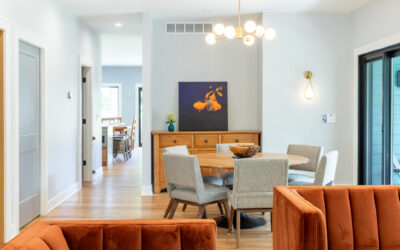
Walk through some of Ann Arbor’s older neighborhoods, and you’ll spot many homes that have changed over time. Some houses have new rear additions or renovated interiors. A growing number have expanded upward with a second-story addition.
When homeowners love their neighborhood but need more space, building up can be an appealing option. A second-story addition can dramatically increase usable square footage. You can add bedrooms, bathrooms, offices, or primary suites without altering your home’s footprint.
Could you add a level to your house? Every property is different. The home’s age, foundation type, and original framing will affect the feasibility of a second-story addition. Let’s see if it could work for your home.
Want to add a level to your house?
Contact our team to start designing your second-story addition→
Why Some Homes Are Better Candidates for a Second-Story Addition
Not every home can handle a vertical expansion. Certain characteristics make it easier to add another level, while other properties might need significant structural work before an addition happens.
Homes with simpler rectangular layouts are often the easiest to expand upward. The straightforward rooflines and consistent framing patterns make it easier for builders and engineers to plan structural reinforcements.
Properties with limited yard space are also often good candidates for second-story expansions. In established Ann Arbor neighborhoods, lot sizes and setback requirements may restrict outward expansion. Adding a second level allows homeowners to increase their square footage without sacrificing their outdoor space.
Finally, homes that already have strong structural systems are usually better candidates. A solid foundation and framing will create a stable starting point for a new level.
Structural feasibility is only one part of the evaluation. Local zoning regulations and property conditions also influence whether homeowners can add a level to a house.
Height restrictions, setbacks, and neighborhood design guidelines may affect how a second-story addition is designed. In some areas, maintaining architectural compatibility with surrounding homes is also an important consideration.
Reviewing these factors early in the planning process helps avoid delays and ensures that the project aligns with local requirements.
Structural Factors That Determine Whether You Can Add a Level to a House
Determining whether a home can support a second-story addition requires expert advice. Builders and engineers can begin by examining key structural components through foundation inspections and analysis of load paths throughout the house. They may also review the original construction plans, if they are available.
Once the structure has been evaluated, the design team can determine what kind of reinforcement or adjustments might be needed. The process helps the new level integrate safely with the existing home.
Here are some of the structural components a building team will need to look at:
Foundation Strength and Load Capacity
The foundation is one of the most important components in determining whether a house can support another level. Foundations must carry the weight of the entire structure, including any new construction above.
In some homes, the existing foundation already has the capacity to support additional load. In other cases, reinforcement methods such as underpinning or added footings may be needed before construction begins.
Load-Bearing Walls and Structural Alignment
Structural loads move downward through walls and framing members until they reach the foundation. When planning a second-story addition, engineers study the placement of load-bearing walls to ensure that weight can transfer safely through the structure.
If the existing wall layout does not align well with the new design, additional beams or structural supports may be introduced to distribute loads correctly.
Existing Floor System Capacity
The floor system between the first and second levels must also handle additional weight. Joists, beams, and supporting members may need reinforcement to meet modern structural requirements.
Upgrading the floor system helps ensure that the structure remains stable and comfortable for daily use.
Roof Removal and Structural Rebuilding
Most second-story additions involve removing the existing roof so a new level can be constructed. During this phase, temporary structural supports protect the home while new framing is installed.
Once the second level is framed, a new roof structure is built above it. This process allows the home to gain additional living space while maintaining structural integrity.
Age and Construction Style of the Home
Older homes in Ann Arbor often bring unique construction methods that differ from modern framing practices. While many older houses can support a second-story addition, they may require careful structural planning to accommodate modern building standards.
An evaluation of the existing structure helps determine whether reinforcement is needed before new construction begins.
Signs Your Ann Arbor Home May Be a Good Candidate for a Second-Story Addition
While every project requires professional evaluation, certain characteristics often indicate that a home may be well-suited for building upward. Those characteristics include:
- A strong foundation with minimal structural concerns
- A straightforward roof structure
- Load-bearing walls that align well with potential new framing
- Limited space for expanding outward
- Long-term plans to remain in the home
Homes with these characteristics often provide a strong starting point for a second-story addition project.
When Another Expansion Strategy May Be Better
In some cases, adding another level may require extensive structural modifications. If the foundation requires major reinforcement or the structural layout creates limitations, homeowners may consider other approaches.
Rear additions, side expansions, or creative interior reconfigurations may provide additional space while working within the structure of the existing home.
Evaluating all available options helps homeowners make informed decisions about how best to expand their living space.
Planning Your Second-Story Addition in Ann Arbor
A successful second-story addition starts with understanding what your home can support and what opportunities the structure provides. With thoughtful planning, a second-story addition can dramatically expand how a home functions. New bedrooms, offices, or private living areas can be added while preserving the footprint and character of the original house.
Many Ann Arbor homes have the potential to grow upward with the right structural evaluation and design approach. MBK Constructors works with homeowners to review the existing structure, identify opportunities for expansion, and plan additions that fit both the property and the household’s long-term needs.
If you are considering a second-story addition or wondering whether you can add a level to your house, a conversation with the MBK team can help you understand what may be possible for your property.
Contact us today to start a consultation on expanding your Ann Arbor home.
FAQs on Second-Story Additions
Q: How do I know if my house can support a second-story addition?
A: The only way to know for certain is through a structural evaluation. Builders and engineers review the foundation, framing, and load-bearing walls to determine how weight travels through the structure. This assessment helps identify whether reinforcement is needed before adding another level.
Q: Do second-story additions always require foundation reinforcement?
A: Not always. Some homes already have foundations capable of supporting additional loads. In other cases, reinforcement methods such as underpinning or additional footings may be recommended to safely support the new structure.
Q: Will the existing roof be removed during construction?
A: In most cases, yes. The existing roof is typically removed so the new level can be framed. Temporary protection is used during construction to keep the home secure while the new structure is built.