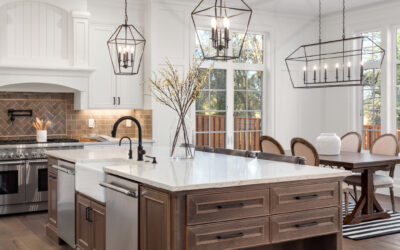
A kitchen remodel can transform the way your kitchen looks and functions. The final result can leave you smiling, but before you reach that point, you’ll need to live through the actual remodeling process. That means figuring out how everyone will eat, have coffee, wash dishes, and get through the morning while your kitchen is out of commission.
You don’t need to recreate a full kitchen elsewhere in your home. Instead, a temporary setup can cover the essentials. Here is how to make a temporary kitchen during a remodel and some tips for making the remodeling process a little easier on the whole household.
Where’s the Best Place in the House to Set Up a Temporary Kitchen?
When selecting a spot for a temporary kitchen, choose a space that is easy for your household to use and well away from the main construction zone. Some areas to consider might include:
- Dining room
- Finished basement
- Family room
- Home office
- Laundry area
The best option will have enough room for a table or shelving, accessible electrical outlets, and some separation from the remodel team’s path through the house. Being near a water source is helpful, too, but not essential if you have an alternate plan for your dishes.
Also think about how you’ll need to use the space the rest of the day. A temporary kitchen that blocks a hallway or puts appliance cords in the path of kids and pets will quickly become frustrating.
If possible, set your temporary kitchen up before the remodeling work begins. This will give you a chance to try it out and see how to works before your real kitchen is unavailable.
Want to remodel a kitchen in an older or historic Ann Arbor home? Learn how we can transform closed-off kitchens while keeping the character of the home intact.
What Do You Need in a Temporary Kitchen During a Remodel?
Start with what your household actually uses every day. Most people need far less than they think. A practical temporary kitchen might include:
- Coffee maker or electric kettle
- Microwave
- Toaster or toaster oven
- Refrigerator or small fridge
- One appliance, such as a slow cooker or air fryer
- Cutting board and knife
- A few basic utensils
- Food storage containers
- Everyday plates, bowls, cups, and silverware
- Paper towels and dish towels
Keep some pantry basics on hand, too. Coffee, cereal, bread, snacks, and seasoning are easy to manage. Just don’t try to relocate your entire pantry. You can pack things like serving dishes and baking supplies away for the next few weeks.
Plan Simpler Meals for a Few Weeks
Your temporary kitchen isn’t going to meet the needs of your normal cooking routine, and that’s okay. Plan meals around the equipment you have available. Breakfasts, sandwiches, soups, salads, prepared meals, slow-cooker dinners, and simple microwave meals can cover a lot of ground.
You can also freeze a few meals ahead of time, or, if the weather cooperates, make use of an outdoor grill.
And yes, takeout will probably happen more often than normal while your kitchen is under construction. The goal is to have a temporary kitchen setup that’s functional enough that takeaway isn’t the default option every night.
What’s the Best Way to Handle Dishes During a Kitchen Remodel?
The biggest inconvenience you experience during a kitchen remodel is usually the loss of your kitchen sink. Consider how often you actually use the sink, and you’ll see why people are eager to get access to it again.
If you have a laundry or utility sink, that’s an easy switch to make during a remodel. If you don’t, a dishpan near a bathroom sink or even in the bathtub can work for washing up a few dishes. Just be sure to keep food scraps and cooking grease out of the drains.
You’ll miss your kitchen sink less if you reduce the number of dishes you need to wash. A plate, bowl, cup, and set of utensils for each person will keep the washing more manageable and prevent dishes from piling up in your temporary setup. Disposable plates can be useful, too.
How Will Your Contractor Keep the Rest of the House Livable?
Living through a kitchen remodel doesn’t have to be stressful. How the jobsite is managed by the contractor will make a big difference.
Before they get to work, ask your contractors:
- How will dust be contained?
- Which floors and surfaces will be protected?
- Which entrance will the crew use?
- Where will tools and materials be stored?
- How often will the work area be cleaned?
- Will water or electrical shutoffs affect other rooms?
- Who should you contact with everyday questions?
- How will changes to the schedule be communicated?
Their answers will give you a much better idea of what to expect in the coming weeks. Knowing when the water will be off or when a delivery is coming makes it easier for you to adjust your expectations.
Daily communication and regular cleanup will also help keep the construction zone from taking over the rest of the house.
A Kitchen Under Construction Doesn’t Have to Disrupt the Rest of Your Life
Living through a kitchen remodel requires a little flexibility, but your household doesn’t have to grind to a halt. Set up a temporary kitchen around the things you use daily, simplify your meals, and make a plan for dishes. From there, your contractor can help you manage the chaos, and you’ll be enjoying your new kitchen in no time.
At MBK Constructors, we plan for the remodeling process as carefully as we plan the finished space. We help Ann Arbor homeowners understand what to expect, how the work will impact their daily routines, and what is coming next.
If you are considering a kitchen remodel, talk with MBK about how to prepare your home and household before work begins.